 by
by Office cleanliness rarely gets into the center of managerial attention. It is perceived as a background function that should “just work”. Until it stops. The smell in the meeting room, dust in the workplace, footprints on the floor, dirty sanitary areas all this does not look critical individually, but collectively it begins to affect employees, visitors and the very work of the space. professional office cleaning services are not an aesthetic or a formality. This is an operational process that is directly related to the safety, efficiency and security of property.
Hygiene As A Factor Of Office Space Sustainability
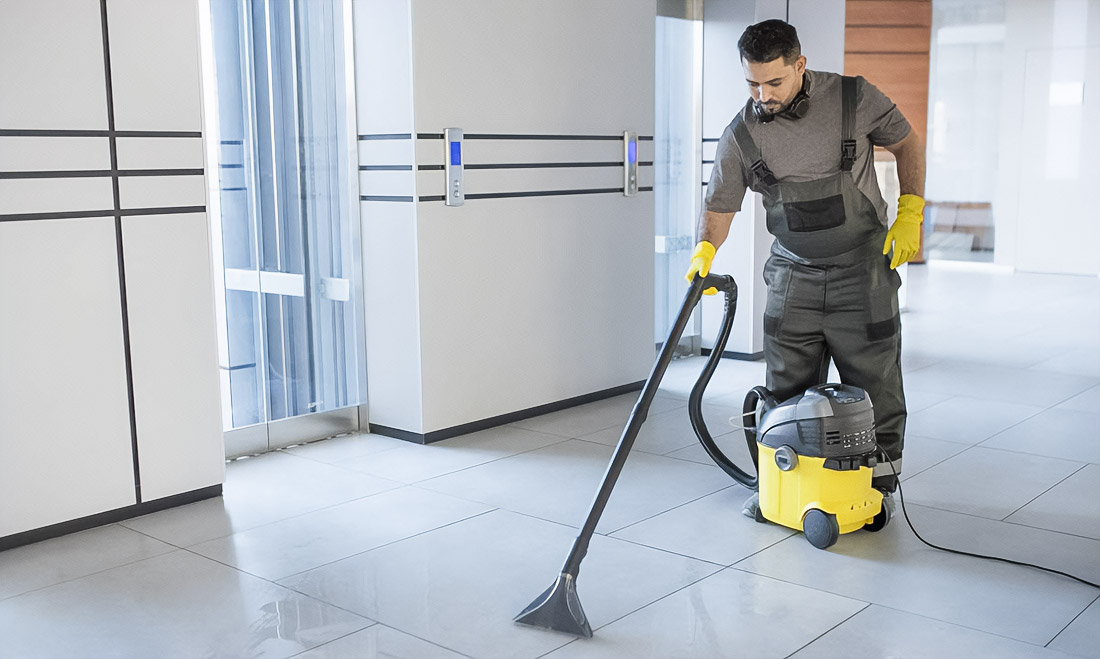
Any office is a zone of constant movement. Hundreds of touches to surfaces, daily traffic of people, appliances, furniture, ventilation. Without regular and systematic cleaning, pollution accumulates faster than it seems. Dust in the air, bacteria on work surfaces, pollution in sanitary areas all this forms an environment that is imperceptibly but steadily deteriorating.
Public areas are particularly vulnerable. Kitchens, meeting rooms, reception, elevator halls. This is where employees, customers, and partners intersect. Insufficient hygiene in these areas increases the risk of illness, increases the number of sick days and reduces the overall well-being of the team. Cleanliness ceases to be a “household issue” and becomes an element of risk management.
Cleaning As Part Of Asset And Infrastructure Protection
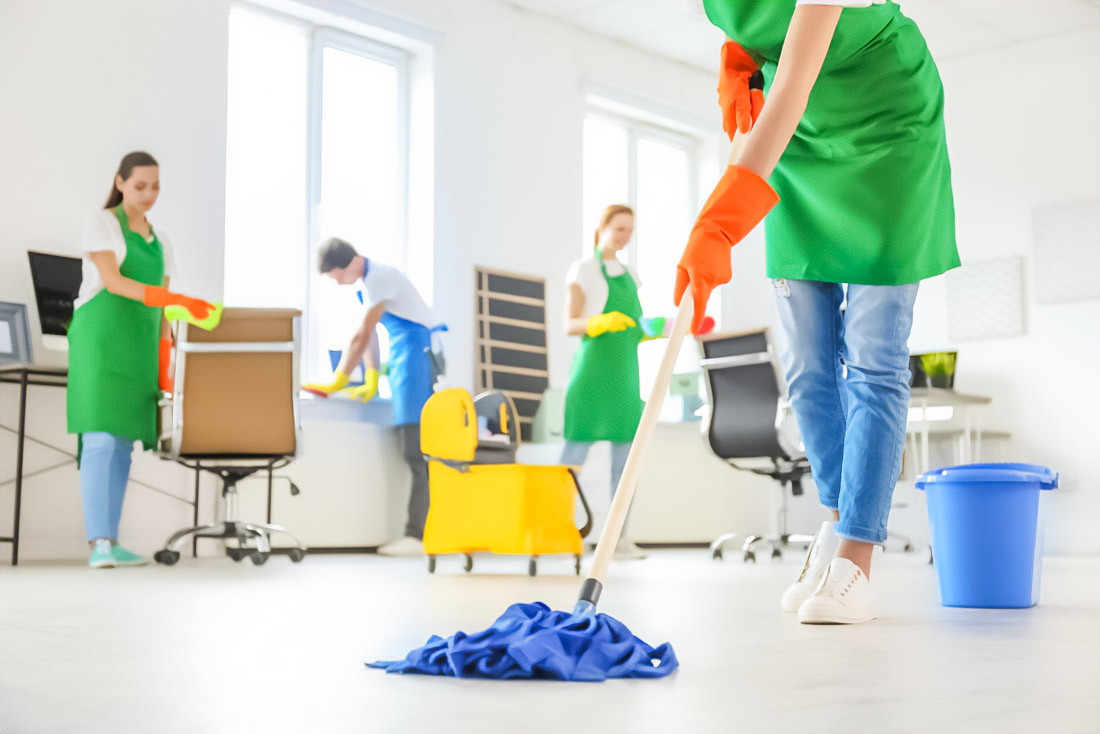
The office is not just about people. These are floor coverings, furniture, appliances, and engineering systems. Improper or irregular cleaning accelerates the deterioration of these assets. Abrasive dirt on the floor reduces the service life of the coatings. Dust in the ventilation worsens the air quality and increases the load on the equipment. Aggressive or unsuitable cleaning agents damage surfaces and materials.
Professional office cleaning takes into account the types of coverings, the mode of use of premises and safety requirements. This is especially important for large offices, where even small errors scale. Regular deep cleaning helps to preserve the appearance of the space, reduce repair costs and extend the service life of the infrastructure. In this sense, cleaning is not an expense, but a way to avoid more serious costs in the future.
Why A Systematic Approach Is More Important Than One-Time Solutions
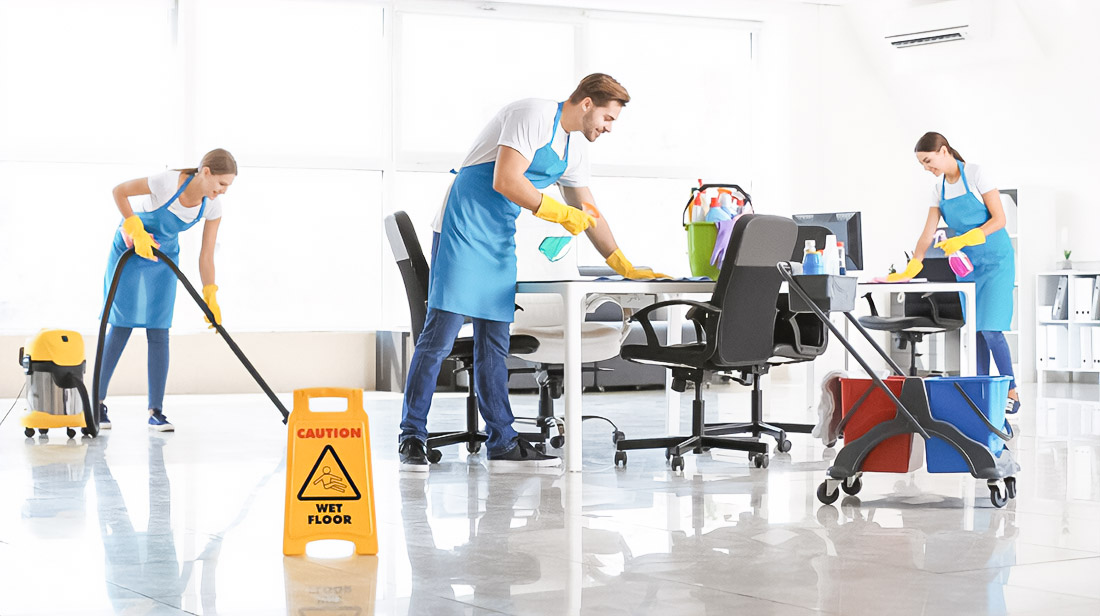
One of the common mistakes is to perceive cleaning as a set of disparate tasks. Wipe the tables. Clean the floor. Remove the trash. This approach only works over a short distance. Over time, problems accumulate that can no longer be solved point-by-point. Odors, ingrained dirt, loss of visual neatness.
Systematic office cleaning is based on scheduling, zoning, and quality control. Different zones require different frequencies and cleaning methods. Jobs are a one size-fits-all approach. Sanitary zones are different. Carpets and hard floors are the third option. When the processes are set up correctly, cleanliness is maintained at all times, rather than being restored in an emergency mode.
In addition, a clean office directly affects the perception of the brand. Visitors rarely analyze details, but they instantly read the general state of the space. A neat, well-maintained office conveys order, reliability and respect. Dirty creates the opposite impression, even if all other aspects of the business are built flawlessly.
As a result, office cleaning is a part of managerial responsibility. It affects the health of employees, the safety of assets and the reputation of the company. And the sooner it is perceived not as a secondary service, but as an element of operational sustainability, the fewer surprises arise in daily work.